
65 Best Skills to Put on Your Resume in 2026 (With Examples)

Not sure which skills to put on your resume to effectively showcase your qualifications? In today’s skills-based hiring market, choosing the right skills is critical to getting noticed by both recruiters and ATS.
Employers prioritize candidates whose resumes clearly reflect job-relevant, in-demand skills. The skills section often plays a decisive role in determining whether you move forward in the hiring process. For this reason, your resume should focus on targeted, role-specific skills that align with the job description and demonstrate your ability to deliver results.
In this guide, you’ll find the best skills to put on a resume in 2026, along with practical examples and tips on how to present them effectively.
Key Takeaways
- Include 8–12 relevant skills that match the job description
- Combine hard skills (technical) and soft skills (interpersonal)
- Add skills to your summary, skills section, and work experience
- Focus on measurable results to prove your skills
- Tailor your resume for each job application to pass ATS
Why skills matter on a resume in 2026
In 2026, hiring is largely skills-based, with employers prioritizing demonstrated competencies over formal credentials. Most resumes are screened by ATS, which rank candidates based on how closely their skills match the job description. Without relevant, keyword-aligned skills, applications are unlikely to pass initial screening.
Skills also serve as a direct indicator of job readiness. Hard skills confirm technical capability, while soft skills reflect the ability to collaborate, adapt, and solve problems in dynamic work environments. Both are essential and must be clearly presented.
As technology and job requirements evolve rapidly, employers favor candidates who can deliver immediate value. A strong resume, therefore, focuses on targeted, measurable, and role-specific skills that align with current market demands.
How to list skills on your resume
Listing skills on your resume requires a strategic approach that balances visibility, relevance, and proof. Employers and ATS systems expect to see skills clearly presented and directly aligned with the job description. The most effective resume.
A strong resume typically presents skills in four ways:
- Resume summary to showcase core skills upfront and position you as a strong fit
- Dedicated skills section for quick scanning and ATS matching
- Integration within the work experience section to demonstrate real-world application
- Optional technical or functional sections for specialized roles
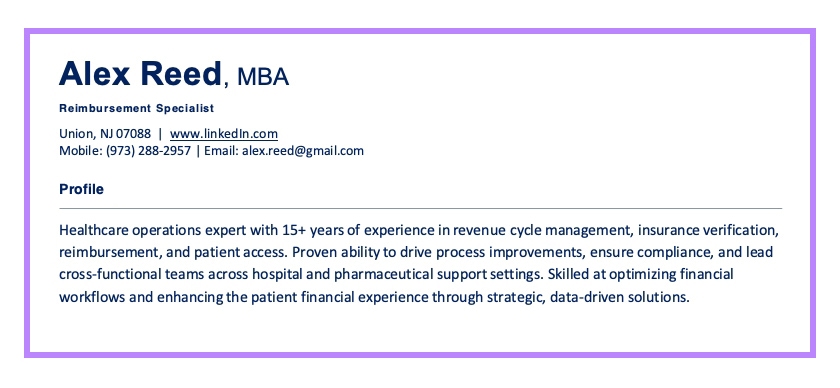
Skills in the Resume Summary
Your resume summary should highlight 3–5 core skills that directly match the job requirements. Instead of listing them, integrate skills into a concise, results-driven statement.
Example:
Results-driven project manager with 6+ years of experience in Agile methodologies, stakeholder management, and data analysis. Proven ability to deliver projects 20% faster while improving team efficiency.
Best practices:
- Prioritize job-specific (hard) skills
- Include 1–2 relevant soft skills
- Align with job description keywords
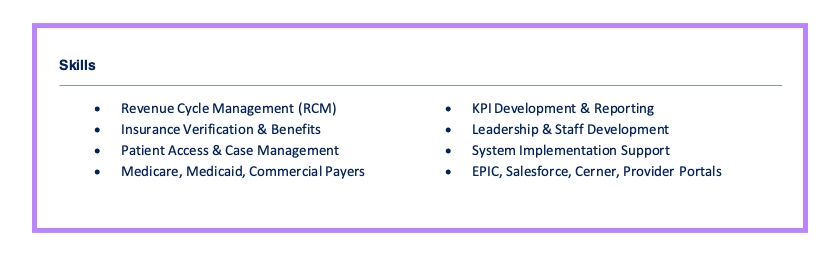
Skills Section Example (Bullet Format)
A dedicated skills section should be concise, keyword-optimized, and tailored to the role. Focus on 8–12 highly relevant skills.
Example:
- Data Analysis (Excel, SQL)
- Project Management (Agile, Scrum)
- Search Engine Optimization (SEO)
- CRM Software (Salesforce, HubSpot)
- Communication & Stakeholder Management
- Problem-Solving & Critical Thinking
- Time Management & Organization
- Team Collaboration
Best practices:
- Use exact keywords from the job description
- Group similar skills where possible
- Avoid generic or outdated terms
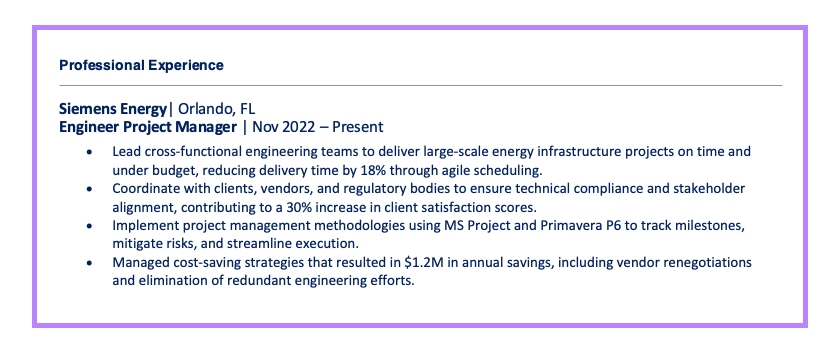
Skills in Work Experience Section
Skills should also be demonstrated through achievements in your work experience. This adds credibility and improves impact.
Example:
- Managed cross-functional projects using Agile methodology, reducing delivery time by 25%
- Analyzed customer data using SQL and Excel to improve retention by 15%
- Led SEO strategy, increasing organic traffic by 40% in six months
Best practices:
- Pair each skill with a measurable result
- Use action verbs (e.g., managed, developed, led)
- Focus on outcomes, not just responsibilities
65 best skills to put on a resume
Below is a comprehensive, up-to-date list of the best resume skills for 2026, organized by category to help you quickly identify what to include.
Top hard skills for a resume
Hard skills are technical, job-specific abilities that can be measured and verified. These are essential for passing ATS scans and proving your qualifications.
In-Demand Hard Skills for 2026:
| Hard Skills | |
| Data Analysis | Coding (Python) |
| Data Visualization (Tableau, Power BI) | Coding (JavaScript) |
| Project Management | HTML & CSS |
| Agile & Scrum Methodologies | SQL & Database Management |
| Digital Marketing | Cloud Computing (AWS, Azure) |
| Search Engine Optimization (SEO) | Artificial Intelligence (AI) |
| Search Engine Marketing (SEM) | Machine Learning |
| Social Media Marketing | Cybersecurity |
| Content Writing & Copywriting | CRM Software (Salesforce, HubSpot) |
| UX/UI Design | Financial Analysis |
| Graphic Design (Adobe Creative Suite) | Microsoft Excel (Advanced) |
| Video Editing | Presentation Software (PowerPoint) |
Top Soft Skills for a Resume
Soft skills are personal attributes and interpersonal abilities that help you work effectively with others and adapt to changing environments.
Most Sought-After Soft Skills:
| Soft Skills | |
| Communication | Conflict Resolution |
| Leadership | Active Listening |
| Problem-Solving | Work Ethic |
| Critical Thinking | Accountability |
| Adaptability | Interpersonal Skills |
| Time Management | Negotiation |
| Teamwork | Stress Management |
| Emotional Intelligence | Flexibility |
| Creativity | Collaboration |
| Decision-Making | Persuasion |
Transferable Skills (For Career Changers & Entry-Level Candidates)
Transferable skills are universal abilities that can be applied across different roles and industries. They are especially valuable if you lack direct experience.
Top Transferable Skills to Include:
| Transferable Skills | |
| Organization | Technical Literacy |
| Research Skills | Documentation |
| Analytical Thinking | Training & Mentoring |
| Multitasking | Public Speaking |
| Attention to Detail | Cross-Functional Collaboration |
| Customer Service | Budgeting |
| Problem Identification | Reporting & Documentation |
| Process Improvement | Initiative |
| Scheduling & Planning | Learning Agility |
| Administrative Support | Strategic Thinking |
Examples of skills for different job roles
Top skills to put on resume for students, professionals, and career changers.
Resume Skills for Students and Freshers
If you’re just starting out, focus on transferable skills, academic achievements, and any hands-on experience (internships, volunteer work, or projects). Employers understand you may lack formal experience—what matters is your potential and willingness to learn.
Key skills to include:
- Communication (written and verbal)
- Teamwork and collaboration
- Time management and organization
- Problem-solving and critical thinking
- Basic computer skills (MS Office, Google Workspace)
- Adaptability and willingness to learn
- Research and analytical skills
Example:
- Collaborated with a team of 4 students to complete a semester-long marketing project, improving presentation and teamwork skills.
- Managed multiple academic deadlines while maintaining strong grades, demonstrating time management.
Resume Skills for Experienced Professionals
With experience, your skills section should reflect deeper expertise, leadership ability, and measurable impact. Focus on both technical (hard) skills and strategic soft skills.
Key skills to include:
- Leadership and team management
- Project management (Agile, Scrum, etc.)
- Advanced technical or industry-specific skills
- Strategic thinking and decision-making
- Data analysis and reporting
- Client relationship management
- Process improvement and efficiency optimization
Example:
- Led a cross-functional team of 10 to deliver projects 15% ahead of schedule.
- Implemented process improvements that reduced operational costs by 20%.
Resume Skills for Career Changers
When switching careers, the goal is to highlight transferable skills that apply to your new field. Tailor your resume to show how your past experience aligns with your future role.
Key skills to include:
- Transferable skills (communication, leadership, problem-solving)
- Industry-relevant tools or certifications
- Adaptability and learning agility
- Project management or organizational skills
- Networking and relationship-building
Example:
- Transitioned from customer service to HR by leveraging strong interpersonal and conflict-resolution skills.
- Completed certification in digital marketing and applied knowledge through freelance projects.
Industry-specific skills to put on a resume
Here are examples of what skills professionals from different industries may list on their resumes. However, keep in mind that these do not apply to every position within the given sector. Always tailor your skills section to the specific job.
1. Pharmaceuticals & Healthcare Skills
The pharmaceutical and healthcare industry focuses on developing, manufacturing, and distributing medications, medical devices, and treatments. It’s highly regulated, with strict guidelines for safety and efficacy. Professionals in this sector must balance scientific knowledge, compliance with regulations, and strong sales skills to ensure effective patient care and innovation.
- Regulatory Knowledge: Understanding and navigating FDA, EMA, and other regulatory guidelines.
- Data Analysis: Skilled in interpreting clinical data and optimizing product strategies.
- Sales & Negotiation: Meeting targets through strong sales techniques and negotiation.
- Product Expertise: In-depth knowledge of drugs, devices, or OTC products.
- Compliance Management: Ensuring adherence to strict healthcare standards.
2. FMCG (Fast-Moving Consumer Goods) Skills
The FMCG industry sells products with quick turnover, such as food, beverages, and personal care items. Success relies on efficient supply chains, competitive pricing, and in-depth market analysis. Professionals in FMCG need expertise in logistics, merchandising, and customer relationships to maintain market share in a fast-paced environment.
- Supply Chain Management: Managing logistics, optimizing inventory, and streamlining distribution.
- Market Analysis: Insight into consumer behavior and competitor movements.
- Sales Strategy: Implementing tactics for high product turnover and revenue growth.
- Customer Relationship Building: Creating loyalty through exceptional service.
- Merchandising: Effective product display and visual marketing skills.
3. Technology & Software Development Skills
The technology and software development industry is driven by innovation, focusing on creating, implementing, and maintaining digital solutions and software products. This sector requires expertise in programming, agile project management, and problem-solving to adapt to evolving technologies and meet the needs of users across various industries.
- Programming Proficiency: Skilled in languages like Python, Java, or JavaScript.
- Problem Solving: Expertise in debugging, algorithm design, and efficient coding.
- Project Management: Coordinating development timelines and milestones.
- Agile Methodology: Familiar with agile frameworks like Scrum or Kanban.
- Collaboration: Strong teamwork across technical and non-technical stakeholders.
4. Finance & Accounting Skills
The finance and accounting sector includes banking, investment management, and corporate finance. It focuses on managing money, investments, and financial records with precision. Professionals need strong analytical skills, regulatory knowledge, and attention to detail to ensure accuracy, compliance, and sound financial decision-making for clients or organizations.
- Financial Analysis: Skilled in evaluating financial data for decision-making.
- Budgeting & Forecasting: Expertise in managing budgets and predicting financial outcomes.
- Regulatory Compliance: Knowledge of financial regulations and tax codes.
- Attention to Detail: Precision in auditing and record-keeping.
- Data Visualization: Proficient in tools like Excel, Tableau, and Power BI.
5. Marketing & Advertising Skills
Marketing and advertising professionals build and promote brand identity through digital and traditional channels. The industry relies on consumer insights, creativity, and data-driven strategies to reach and engage audiences effectively. Professionals in this field need skills in digital marketing, content creation, and brand management to maximize brand reach and reputation.
- Digital Marketing: Skilled in SEO, social media, and email marketing.
- Market Research: Conducting studies to understand consumer behavior.
- Content Creation: Expertise in creating compelling content across platforms.
- Brand Management: Ensuring brand consistency and strategic positioning.
- Analytics: Proficiency in Google Analytics and other metrics tools.
6. Engineering & Manufacturing Skills
Engineering and manufacturing focuses on designing, building, and maintaining products and systems. This sector spans various fields, including mechanical, civil, and electrical engineering. It demands strong technical knowledge, process improvement skills, and safety compliance to ensure quality, efficiency, and innovation in product development and production processes.
- Technical Expertise: Knowledge in areas like mechanical, electrical, or civil engineering.
- Process Improvement: Identifying ways to increase efficiency and reduce waste.
- Project Management: Overseeing design, production, and quality assurance.
- Problem-Solving: Analyzing technical issues to find effective solutions.
- Safety Compliance: Ensuring all processes follow safety standards.
7. Education & Training Skills
The education and training sector focuses on teaching, curriculum development, and skill-building across age groups and professions. It requires knowledge of pedagogical techniques, adaptability, and strong communication skills to support diverse learning needs. Professionals in this field foster growth, critical thinking, and knowledge sharing, both in academic and corporate environments.
- Curriculum Development: Designing engaging and effective learning material.
- Classroom Management: Managing student behavior and classroom dynamics.
- Assessment & Evaluation: Proficiency in assessing student performance.
- Adaptability: Tailoring teaching methods to various learning styles.
- Communication: Strong skills in explaining complex concepts clearly.
8. Remote Work Skills
With the rise of flexible work arrangements, remote work skills are essential for professionals in various fields. Success in remote settings requires strong communication, time management, and technical abilities to collaborate effectively across distances.
- Digital Communication: Proficiency with tools like Zoom, Slack, and Microsoft Teams for virtual meetings and messaging.
- Time Management: Ability to structure the workday independently, meet deadlines, and prioritize tasks effectively. S
- Self-Motivation: Staying productive and focused without direct supervision.
- Collaboration: Working seamlessly with colleagues across different locations using shared platforms.
- Tech Proficiency: Familiarity with cloud-based software, VPNs, and online project management tools like Asana or Trello.
9. AI & Machine Learning Skills
AI and machine learning are rapidly transforming industries by automating processes, improving decision-making, and enhancing customer experiences. Professionals with expertise in this area are in high demand across sectors like healthcare, finance, and technology.
- Programming Languages: Proficiency in Python, R, or TensorFlow for developing AI models.
- Data Analysis: Ability to collect, clean, and interpret large datasets to train machine learning algorithms.
- Model Development: Experience in designing, testing, and refining predictive models.
- AI Ethics and Bias Mitigation: Understanding ethical concerns and strategies to minimize algorithmic bias.
- Natural Language Processing (NLP): Knowledge of techniques for developing applications like chatbots and sentiment analysis tools.
Related: How to Make a Resume in 2026 [Step-by-Step Guide]
Skills to put on a resume FAQ
Should I include soft skills on my resume?
Yes, soft skills are essential, but they should be supported by context or results. Instead of listing generic terms like “communication” or “teamwork,” demonstrate them through your achievements in the work experience section. Employers value soft skills, but only when they are clearly tied to real outcomes.
How many skills should I list on a resume?
Most resumes should include 8–12 relevant skills in the dedicated skills section. Focus on quality over quantity by selecting skills that closely match the job description. Listing too many skills can dilute your profile and reduce clarity.
How should I format my skills to pass through ATS?
Use relevant keywords from the job description and avoid long sentences. List skills clearly, either in bullet points or separated by commas, to improve ATS compatibility.
Popular related posts:
- Best Resume Format for 2026 [Pros and Cons]
- Cover Letter Format: A Step by Step Guide for 2026
- Strengths and Weaknesses for Job Interviews [Great Answers]
- Answering ‘Tell Me About Yourself’ in an Interview in 2026
- How To Write a Letter of Recommendation [Templates, Examples]
 Privacy Protected
Get a Free Expert Resume Review
file here or click to upload
Thank You