30 Essential Skills for a Professional Resume [+ Examples]

Recruiters don’t read resumes — they scan them for skills, impact, and role fit within seconds. To get noticed in 2026, your resume must showcase the right mix of in-demand technical and soft skills — backed by measurable results. In this guide, you’ll discover the 30 essential resume skills employers are actively looking for and how to present them for maximum impact.
Table of contents:
Essential Skills for a Professional Resume
When creating a resume, it’s important to include job-specific skills that align with the position you’re applying for. Employers and applicant tracking software (ATS) scan for relevant resume keywords, so choosing the right mix of hard and soft skills can significantly improve your chances of landing an interview.
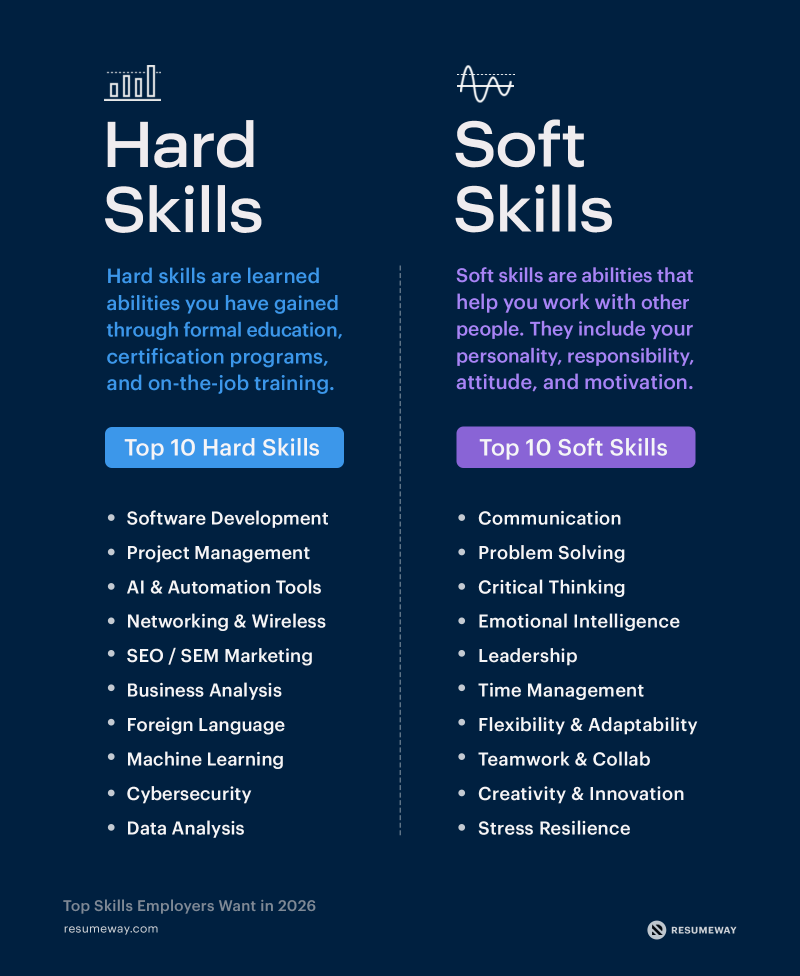
Below are the essential skills employers look for in 2026:
Soft Skills
Soft skills are personal attributes that enable effective communication, collaboration, and problem-solving. While they are harder to measure than technical abilities, they are critical for long-term career success — especially in remote and hybrid workplaces.
Examples of high-impact soft skills include:
- Communication skills: The ability to convey information clearly in written, verbal, and virtual settings.
- Critical thinking: The ability to analyze information and make well-informed decisions.
- Problem-solving: The ability to identify challenges and implement effective solutions.
- Time management: The ability to prioritize tasks and meet deadlines efficiently.
- Leadership: The ability to guide teams, delegate responsibilities, and drive results.
- Adaptability: The ability to adjust to change, new technologies, and evolving workplace demands.
- Teamwork: The ability to collaborate effectively across departments and remote teams.
- Creativity: The ability to generate innovative ideas and improve processes.
Tip: Instead of simply listing soft skills, demonstrate them through measurable achievements in your work experience section.
Related: The 8 Most Important Soft Skills to Include on a Resume (2026)
Hard Skills
Hard skills are measurable, technical abilities required to perform specific tasks. These are often industry-specific skillsthat employers actively search for when screening resumes through ATS systems.
Examples of essential hard skills include:
- Computer skills: Proficiency in software, operating systems, or technical tools relevant to your industry.
- Data analysis: The ability to interpret data using tools such as Excel, SQL, or visualization platforms.
- Project management: Planning, executing, and delivering projects on time and within budget.
- Language proficiency: Fluency in multiple languages for global or customer-facing roles.
- Graphic design: Experience with design tools such as Adobe Creative Suite or Canva.
- Customer service: Managing client relationships and resolving issues efficiently.
- Sales skills: Persuasion, negotiation, and revenue generation abilities.
- Technical skills: Specialized expertise required for your field (e.g., healthcare certifications, engineering tools, financial modeling).
Related: Top 50+ Hard Skills for Your Resume in 2026 [+Examples]
In-Demand Digital and AI Skills (2026 Trend)
As hiring trends evolve, employers increasingly prioritize digital skills and AI skills, particularly for remote and tech-enabled roles.
Examples include:
- AI literacy and prompt engineering
- Automation tools and workflow optimization
- Data visualization and reporting
- Cybersecurity fundamentals
- Cloud-based collaboration tools
- CRM and marketing automation platforms
These skills are especially valuable for candidates applying to remote or hybrid roles, where strong remote job skills — such as virtual communication and digital project management — are essential.
Related: Cover Letter Format: A Step by Step Guide for 2026
Transferable Skills for Your Resume
Transferable skills are abilities gained in one role that can be applied to another, making them especially valuable when changing jobs or industries.
Here are some examples of transferable skills that you can consider including on your resume:
- Communication skills: The ability to convey information clearly and effectively, both verbally and in writing.
- Leadership skills: The ability to guide and motivate a team towards achieving goals.
- Problem-solving skills: The ability to analyze and solve problems efficiently.
- Adaptability: The ability to adapt to new situations and handle change.
- Teamwork skills: Possessing the skill to collaborate effectively with a team to achieve shared objectives.
- Time management skills: The capacity to organize tasks and efficiently manage one’s time.
- Critical thinking skills: The skill to assess and appraise information in order to make well-informed decisions.
- Creativity: The ability to think outside the box and come up with innovative solutions.
- Organizational skills: The ability to organize and manage tasks, resources, and information.
- Interpersonal skills: The ability to build and maintain positive relationships with others.
- Attention to detail: The capacity to be meticulous and ensure precision by paying careful attention to details.
- Project management skills: The ability to plan, organize, and execute projects effectively.
- Research skills: The ability to gather and analyze information from various sources.
Related: Top 10 Transferable Skills Employers Are Looking
Best Practices for Listing Skills on a Resume
Hiring managers and Applicant Tracking Systems (ATS) scan resumes for keywords and proof of skills in action. To maximize impact, showcase your abilities in three key sections of your resume:
1. Summary Section
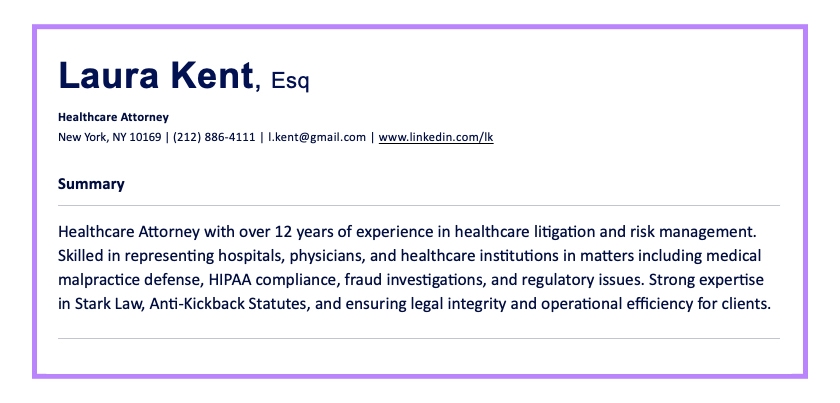
- Use this section to highlight your strongest skills in 2–4 sentences at the top of your resume.
- Focus on 3–5 core skills that are most relevant to the job.
- Use action verbs (e.g., “Led,” “Developed,” “Implemented”) to show how you apply those skills to drive results.
- Blend hard skills and soft skills naturally into your achievements.
2. Skills Section
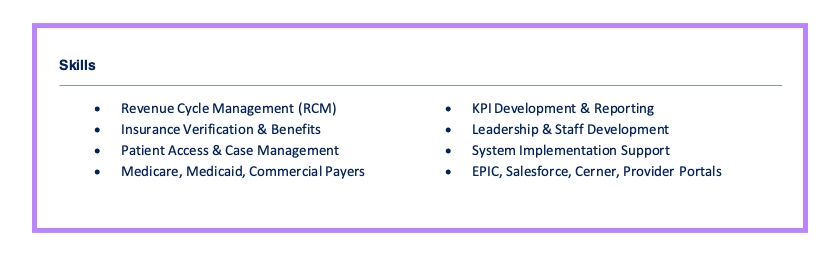
- Create a dedicated skills section where you list your most important competencies.
- Include a mix of technical skills (e.g., software, tools, industry-specific knowledge) and workplace skills (e.g., communication, teamwork, leadership).
- Keep it scannable with a bullet list or two-column format.
- Update it regularly to reflect the most in-demand skills for your field.
Entry-Level Resume Skills Section Example
If you’re creating a resume with limited experience, focus on entry-level resume skills such as:
- Research and analytical thinking
- Time management
- Team collaboration
- Presentation skills
- Foundational digital skills (Microsoft Office, Google Workspace)
3. Work Experience Section
- Tailor your skills to the job posting by echoing keywords and requirements from the description.
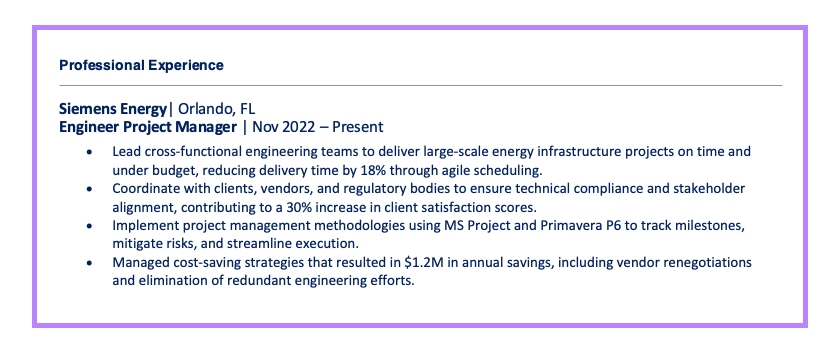
- Show your skills in action by linking them to measurable achievements.
- Use numbers, percentages, or metrics to demonstrate impact (e.g., “Improved efficiency by 18% through workflow automation”).
4. Optimizing Your Skills for ATS and Recruiters
Hiring managers aren’t the only ones reviewing your resume — most companies use applicant tracking software (ATS)to screen candidates before a human ever sees the document. To improve your chances of getting shortlisted:
- Prioritize ATS optimization by aligning your resume with the job description.
- Use relevant resume keywords that match the employer’s requirements.
- Highlight job-specific skills instead of listing generic abilities.
- Incorporate important skills in both your skills section and your work experience bullets.
- Avoid graphics or text boxes that may confuse applicant tracking software.
How to Quantify Skills on Your Resume
When quantifying skills on a resume, it is important to provide specific and measurable examples of your accomplishments. Here are some steps to help you quantify your skills effectively:
- Track your work: Keep a record of your achievements, projects, and responsibilities. This will help you gather the necessary data to quantify your skills.
- Gather your data: Collect relevant information and data that demonstrate the impact of your work. This can include numbers, percentages, dollar amounts, or any other measurable metrics.
- Make use of ranges: If you don’t have exact numbers, you can use ranges to provide a general idea of your achievements. For example, instead of stating “Increased sales by 20%,” you can say “Increased sales by approximately 15-25%.”
- Focus on key metrics: Highlight the most important metrics that showcase your skills and achievements. These can include revenue generated, cost savings, customer satisfaction ratings, project completion time, or any other relevant metrics.
- Use bullet points: Format your accomplishments as bullet points under each relevant job or experience. Start each bullet point with an action verb and include the quantifiable result or impact of your work.
Work Experience Section Example
Example:
- Project Management: Successfully managed and executed multiple projects, resulting in a 20% increase in efficiency and a 15% reduction in project completion time.
- Sales: Exceeded sales targets by 25% for three consecutive quarters, generating $500,000 in additional revenue.
- Customer Service: Maintained a customer satisfaction rating of 95% through effective communication and problem-solving skills.
In today’s competitive market, your resume must balance technical expertise, workplace strengths, and emerging AI skills. By aligning your resume keywords with job descriptions and optimizing for ATS, you dramatically increase your chances of landing interviews.
FAQ
How many skills should I list on a resume?
Most career experts recommend including 5–10 relevant skills in a dedicated section. Listing too many skills can make your resume appear unfocused, while too few may underrepresent your qualifications. Prioritize skills that are directly aligned with the job description to show you are a strong match.
How do I list skills to pass ATS screening?
To ensure your resume is readable by Applicant Tracking Systems (ATS), use the exact keywords from the job posting. Include skills in both your dedicated skills section and within work experience bullet points. Avoid formatting elements such as graphics, tables, or images, which may prevent ATS software from accurately parsing your information.
What skills should I put on a resume with no experience?
Entry-level candidates should focus on transferable skillssuch as communication, teamwork, and organization. Highlight academic projects, internships, or volunteer work that demonstrate applied knowledge. Additionally, listing relevant certifications or technical tools can signal potential to employers and compensate for limited professional experience.
Popular related posts:
- How To Write a Letter of Recommendation [Templates, Examples]
- How to Write a Resignation Letter [Samples, Free Template]
- 120 Resume Power Words That Will Get You Hired
- How to Choose the Right Resume Template (+Examples)
- 15+ Essential Project Management Skills for Your Resume [2025]
 Privacy Protected
Get a Free Expert Resume Review
file here or click to upload
Thank You