
Job Interview Outfits: How to Make a Great First Impression [2026]
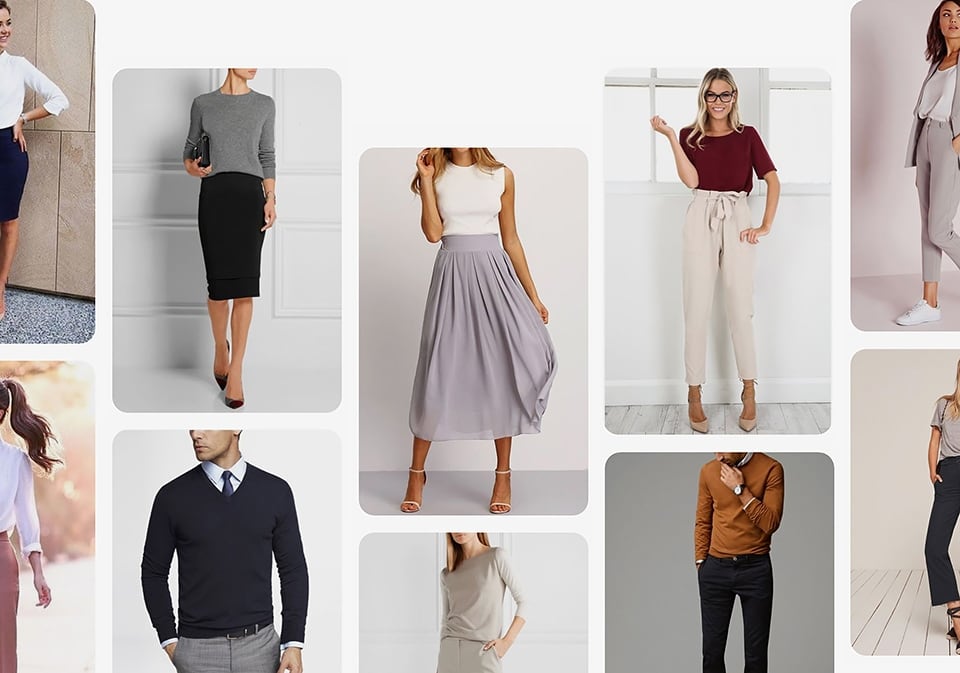
What you wear to a job interview can determine whether you move forward or get rejected.
Hiring managers form first impressions in seconds, and your outfit directly signals professionalism, confidence, and cultural fit. The challenge? Expectations vary—what works in corporate finance won’t work in a startup or a remote interview.
From real candidate outcomes, one thing is consistent: aligning your outfit with the company’s dress code improves your chances.
This guide covers exactly what to wear to a job interview—by industry, dress code, and scenario—plus common mistakes to avoid.
Key Takeways
- Dress one level above the company’s dress code
- Choose neutral colors (navy, black, gray, white)
- Corporate roles: formal (suit, blazer, dress)
- Casual workplaces: smart casual (blazer + jeans or chinos)
- Ensure clothes are clean, fitted, wrinkle-free
- Avoid sneakers, hoodies, flashy items
- Virtual interviews: professional top + clean setup
Why Job Interview Outfits Matter for First Impressions
Your outfit is the first thing interviewers notice. Job interview outfits show professionalism, attention to detail, and respect for company culture. The right attire boosts confidence and helps you project competence. Even in casual or creative industries, dressing neatly and intentionally leaves a positive impression and signals you are prepared and reliable.
Job Interview Outfits: How to Dress for Success
When preparing for a job interview, your outfit is a key element of making a positive first impression. Job interview outfits communicate professionalism, attention to detail, and alignment with the company’s culture. Dressing appropriately boosts confidence, helping you project competence and credibility during interviews, whether in corporate, startup, or creative environments.
- Research the Company: Before choosing an outfit, understand the company’s dress code and workplace culture. Check their website, social media profiles, or ask current employees to determine whether the environment is formal, business casual, or casual. This ensures your professional interview attire aligns with expectations.
- Dress Professionally: Even in casual settings, it’s better to dress slightly more formal. A tailored suit or structured dress is ideal for corporate roles, while business casual or polished smart casual outfits are suitable for startups and creative industries. Well-fitted clothing signals attention to detail and professionalism.
- Choose Appropriate Colors: Your color choices convey subtle messages to hiring managers. Neutral shades such as black, navy, gray, or beige are safe for formal industries like finance, law, or management. In creative or relaxed workplaces, muted accent colors like burgundy, green, or purple are acceptable, while avoiding overly bright or distracting patterns.
- Pay Attention to Grooming: Professional appearance extends beyond clothing. Ensure garments are clean, wrinkle-free, and properly tailored. Keep hair neat, facial hair trimmed, and avoid strong fragrances. This demonstrates that you value the interview and respect the interviewer’s experience.
- Focus on Details: Shoes should be clean and polished, accessories minimal, and overall appearance tidy. Small elements like matching belts, professional watches, or subtle jewelry reinforce a polished, professional image.
Following these guidelines ensures your interview clothing communicates competence, confidence, and cultural awareness, increasing your chances of making a strong first impression.
Related: Best Job Interview Hairstyles for Women
Interview Outfits for Women
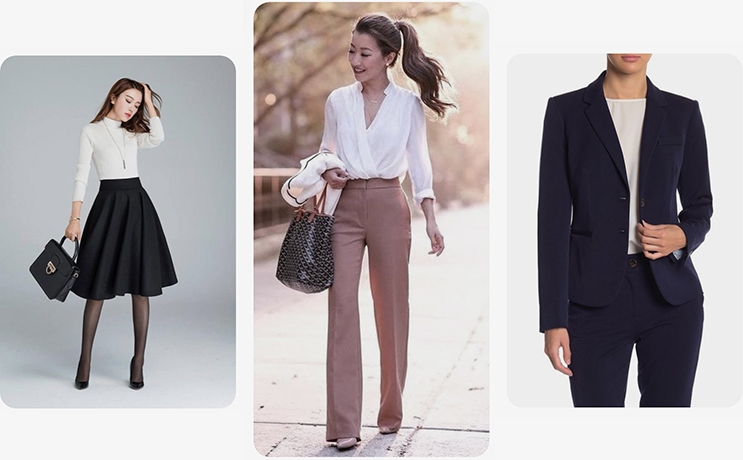
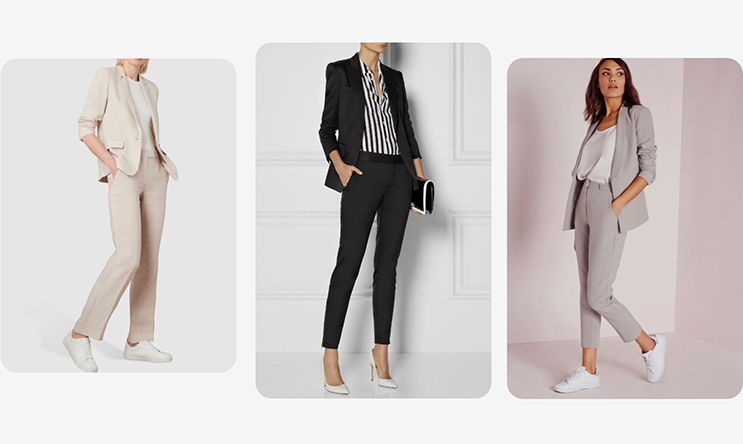
Women have a range of professional options for job interview outfits. Polished combinations include suits, blouses with skirts, or tailored slacks with blazers.
- Blazers: A navy blazer is versatile and pairs well with a blouse, button-down shirt, dress, khakis, or dark jeans for a casual look.
- Shirts and Blouses: A plain button-down is a safe, professional choice. For variety, try subtle colors or different fabrics. An elegant blouse works well with pencil skirts or tailored pants.
- Pants: Invest in well-fitting black or neutral trousers. Pair with a blazer, cardigan, or lightweight sweater for a polished winter look.
- Dresses: Statement dresses or a classic black dress can create a feminine, professional look. Hemlines should skim the knees and necklines should remain modest. Pair dresses with tights and closed-toe shoes for a complete interview-ready outfit.
- Accessories and Details: Minimal jewelry, clean shoes, and subtle makeup help maintain a professional appearance.
For additional inspiration, search social media tags like #JobInterviewOutfitsWomen
Interview Outfits for Plus-Size Women
Finding the right interview outfit as a plus-size woman is worth the investment. A well-fitting outfit creates a positive first impression and boosts confidence.
- Flatter Your Shape: Choose clothing that complements your body type. For those narrower on top and wider on the bottom, high-waisted pants or a pencil skirt with a tucked-in blouse accentuates the waist and creates a slimmer silhouette. For those broader on top, flowy skirts, dresses, or tailored slacks help balance proportions. A wide belt can define the waist and elevate the look.
- Color Choices: Avoid all-black or overly bright outfits. Opt for neutral shades like navy, tan, or white for pants, skirts, or jackets. Use brighter colors as accents in scarves, belts, or accessories.
- Patterns: Avoid bold prints or horizontal stripes on the bottom half. Subtle patterns are acceptable on blouses, blazers, or sweaters to add visual interest without overwhelming your shape.
- Fit and Tailoring: Ensure garments are well-fitted, clean, and wrinkle-free. Tailoring can make a significant difference in overall appearance and professionalism.
For more inspiration, explore #JobInterviewOutfitsWomenPlusSize on social media.

Interview Outfits for Men
Men have a variety of professional options for job interview outfits. Choosing well-fitted, versatile pieces ensures a polished and confident appearance.
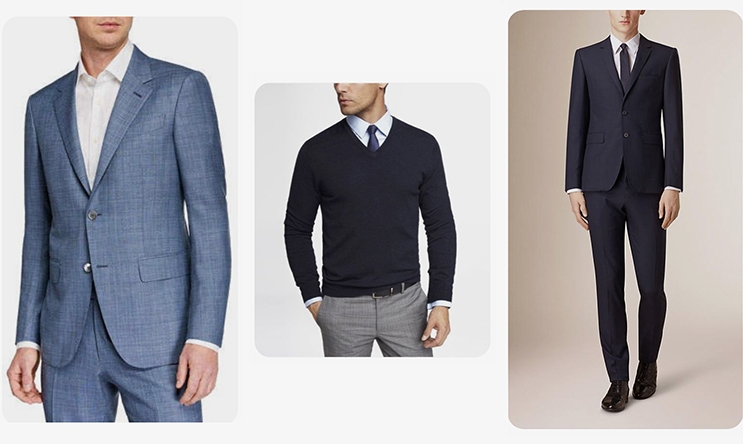
- Build a Wardrobe: Invest in essential pieces such as blazers, dress pants, and button-down shirts. Layering adds style without compromising professionalism—for example, a gray suit with a navy sweater and a button-down creates a polished look. In less formal settings, a sweater over a button-down with dress pants works well.
- Business Casual Options: Light-colored jackets or pants paired with or without a tie are ideal for smart casual interviews. This strikes a balance between formal and approachable.
- Formal Attire: For corporate or executive roles, a navy or charcoal suit paired with a neutral button-down and coordinating tie is a safe choice. Textured blazers can add sophistication and a unique touch.
- Colors and Patterns: Incorporate subtle colors or patterns to show personality. Bold-colored or patterned shirts work with neutral suits, and statement ties can add interest without being distracting. Avoid overly flashy ties or patterns.
- Simple & Classic: A classic gray or black suit with a coordinating tie and neutral shirt remains a reliable, professional option for any interview setting.
For more inspiration, see #JobInterviewOutfitsMen on social media.
Summer Interview Outfits
You should look put together and professional regardless of whether you’re applying for an office job or a camp counselor position. While summer jobs are often more laid back, you should still pay attention to your outfit.
For a summer job interview, women should wear well-fitting khakis or dress pants and a blouse. While sleeveless blouses are allowed, avoid spaghetti straps or tight-fitting tops. You can also opt for a dress or a skirt as long as it is long enough and not too revealing. Avoid wearing sneakers in your interview. Instead, wear low heels, flats, or other closed-toe shoes.
While young men are not required to wear a tie to a summer job interview, they should still dress professionally. A button-down shirt or a collared t-shirt tucked into khakis or dress pants is a popular outfit choice. If your employer allows you to wear shorts, ensure they are linen or khakis, not denim and cargo shorts. To complete your interview outfit, wear closed shoes like dress shoes or boat shoes. Most importantly, avoid wearing caps or hats to your interview, as these look unprofessional.
To find more inspiration, see #InterviewOutfitsSummer
Smart Casual Job Interview Outfits
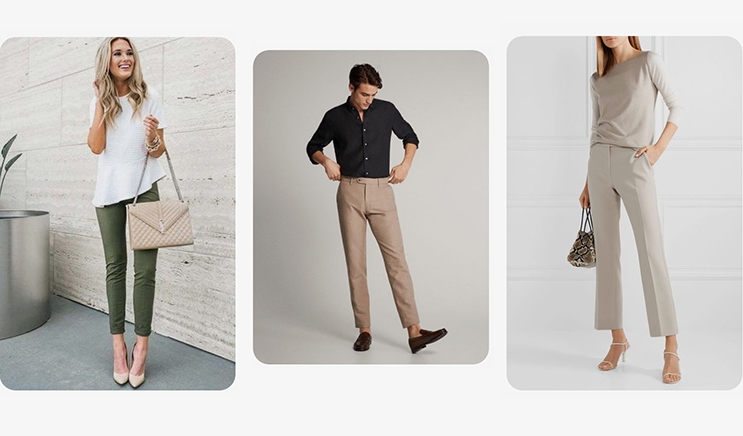
Unlike business casual, smart casual is more laid back and comfortable. If the company has a casual or no dress code, smart casual is the way to go for your interview outfit.
For women, a trendy smart casual outfit can consist of a pair of dark-wash jeans and a blazer. You can pair this with a casual t-shirt for a more relaxed look or take it up a notch with a blouse or button-down. A pair of well-fitted dark-wash jeans are a staple for smart casual outfits. For a comfortable yet polished interview look, you can pair jeans with a cotton blouse or a plaid shirt and some flats.
Men’s smart casual interview outfits can be fun and relaxed, too. Pairing dark jeans or khaki pants with a checkered button-down makes for a comfortable office fit. Another popular look is a basic solid-color cotton t-shirt with a blazer on top. Paired with dress pants, khakis, or jeans, this makes for a great smart casual look. If your interview is during the winter months, you can also add a sweater over your button-down or t-shirt.
To find more inspiration, see #InterviewOutfitsSmartCasual
Common Job Interview Outfit Mistakes to Avoid
Avoid wrinkled, ill-fitting, or overly casual clothes like hoodies, ripped jeans, or flip-flops. Steer clear of loud colors, distracting patterns, excessive accessories, strong fragrances, and poor grooming. Even in relaxed work environments, aim for polished, professional attire that aligns with the company culture and keeps focus on your skills and qualifications.
Related: 30+ Common Job Interview Questions & Answers in 2026
Job Interview Outfits – FAQ
What should I wear to a job interview with no dress code?
If there’s no clear dress code, it’s best to default to business casual or slightly more formal attire. A tailored blazer with structured pants or a simple dress works well in most cases, and it’s generally safer to be slightly overdressed than underdressed.Can I wear jeans to a job interview?
Yes, but only in relaxed environments such as the technology or creative industries. Choose dark, well-fitted jeans paired with a blazer or button-down shirt, and avoid ripped or faded styles.What is the best outfit for a corporate job interview?
For corporate roles, follow business formal attire: a suit or structured dress in neutral colors such as navy, black, or gray, paired with polished shoes like oxfords. This style is standard for roles such as investment bankers or senior management positions.What should I wear to a startup interview?
Startups typically lean toward smart casual attire. A blazer with jeans or chinos works well, along with clean, minimal sneakers if the culture allows. For roles like software engineer, aim for a polished look that is professional but not overly formal.What should I wear to a virtual (Zoom) interview?
Focus on your upper half with a solid-colored top or button-down shirt, ensure a clean background and good lighting, and maintain neat grooming. Even for remote roles, your appearance still shapes the first impression.What should I not wear to a job interview?
Avoid hoodies, shorts, flip-flops, loud accessories, strong fragrances, and wrinkled or ill-fitting clothes. Even in casual environments like retail, your appearance should still look intentional and polished.How do I match my outfit to the company culture?
Research the company through its website, social media, or employee photos, and ask a recruiter if needed. Then align your outfit with their dress code, whether business casual or smart casual, while staying slightly more polished.Popular related posts:
- 25 Interview Questions for Managers With Answers
- How to Answer “What Are Your Salary Expectations?” [2026]
- How to Write a Resume With No Work Experience
- Elevator Pitch Examples for a Job Interview [2026]
- Phone Interview Questions to Ask the Interviewer
- Create an Effective Personal Development Plan in 7 Steps
 Privacy Protected
Get a Free Expert Resume Review
file here or click to upload
Thank You